 Centres & specialties


Translational Genomics
Advancing genomic research by uncovering disease mechanisms, discovering novel genes, and transforming scientific findings into clinical applications.
Riyadh
Overview
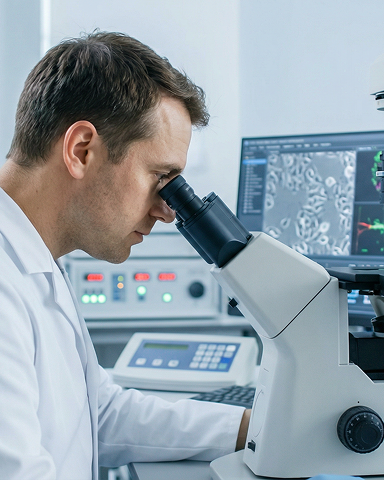
The Translational Genomics Department bridges the gap between research and patient care. By uncovering the molecular mechanisms behind rare and complex diseases, identifying novel genes, and integrating multi-omics technologies, the team converts scientific discoveries into practical diagnostics, therapies, and clinical programs.
Decoding disease
Some diseases don't fit neat diagnostic categories; they're puzzles written in genetic code. The department specializes in dissecting these complex cases, using advanced sequencing and multi-omics profiling to understand how genes actually cause disease. The work here answers the "why" behind rare conditions, creating the foundation for everything that follows.
From gene to treatment
Discovering a disease gene is one thing. Proving it causes the disease, understanding how it works, and determining what that means for treatment is another. Through detailed functional studies and close collaboration with clinical teams, the department validates findings and translates them into actionable guidance: helping clinicians move from diagnosis to targeted therapy.
Building the evidence base

The department has identified hundreds of novel genes linked to human disease, expanding medicine's understanding of genetic conditions and creating new diagnostic possibilities. By systematically documenting gene-disease relationships and validating variants, this work builds the evidence base that allows genomic medicine to scale—turning individual discoveries into resources that benefit patients worldwide.